
Describe your listening day
List the settings that matter: a quiet desk, public transport, a shared room or evening television. Note how long you listen and which devices you use. A feature that matters in one setting may add little in another. Keep this short list nearby when reading reviews or comparing specifications.
Start with the physical format
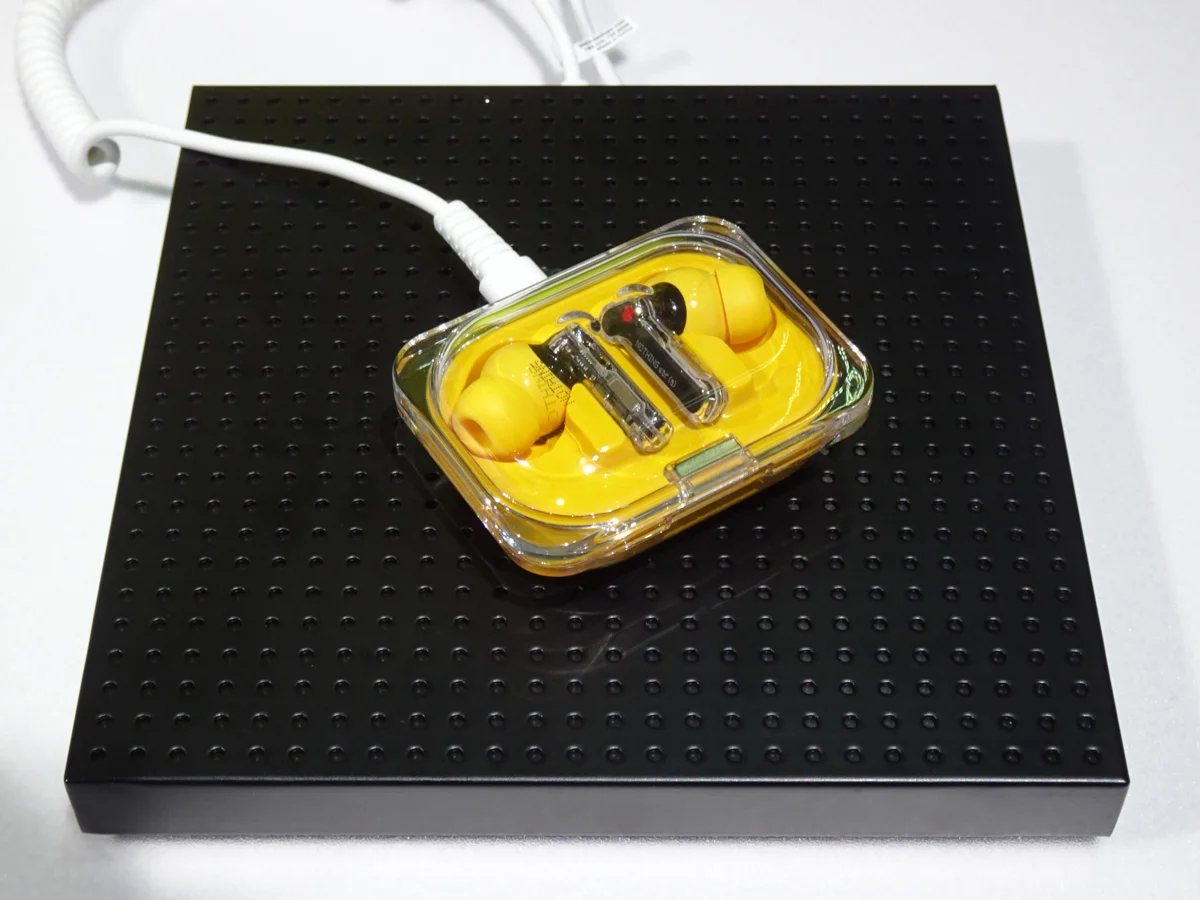
AirPods 4 with ANC use an open-ear design, while Sonos Ace is an over-ear model. Nothing Ear (a) offers another wireless-earbud option. These are distinct formats, not interchangeable entries on a noise-cancellation leaderboard. If possible, evaluate fit and comfort under the conditions in which you would actually wear them.
Check the whole connection
Sonos documents Bluetooth and wired options for Ace, plus TV Audio Swap with supported soundbars. Ear (a) lists LDAC support. A supported feature still depends on the rest of the system. Check the sending device, software and any required accessory rather than assuming every listed feature works through every connection.
Read reviews for your use case
A reviewer may value movie playback, music detail or isolation differently from you. Look for the method and the situation behind a judgment. Keep comments on comfort attached to the reviewer’s experience; they cannot predict every head shape, ear or pair of glasses. Read the original test before turning its headline into a buying decision.
Avoid a false winner
This guide does not rank these products or report our own listening tests. Its purpose is to help you ask a better question: which combination of fit, compatibility and controls serves your routine? Confirm the current model, merchant terms and feature requirements before making that choice.
Give each listening situation a priority
Rank the situations from most frequent to occasional. A person who spends most listening time at a desk but occasionally watches television should not automatically organize the entire purchase around a television feature. Someone whose main need is private evening film playback may reasonably do the opposite. Record the source device next to each situation. This turns a broad shopping category into a short set of requirements and makes it easier to see when a feature is useful only in a setup you do not own or do not intend to assemble.
Compare physical formats without assuming a winner
The featured examples include over-ear headphones and earbuds. Their different shapes change what you can reasonably investigate in a demonstration, but shape alone does not establish comfort. Try the movements that belong to your day: looking down at a keyboard, turning toward another person and putting the device away. If you wear glasses or other items around your ears, include them. Do not convert another reviewer’s fit experience into a certainty about your own. A useful trial asks whether the format stays comfortable and manageable during your intended use.
Keep the exact AirPods model in view
Apple’s 2024 announcement covers more than one product. This guide refers specifically to AirPods 4 with Active Noise Cancellation, not the version without ANC and not AirPods Pro 2. Features discussed elsewhere in the same announcement should not be transferred between them. Keep the complete model name in your comparison notes and check the seller’s item description. This matters especially when a search result uses a shortened family name. We do not make hearing-health claims for the product in this guide or infer them from a nearby announcement about a different model.
Do not let a codec label decide the purchase
Nothing lists LDAC for Ear (a). That establishes a manufacturer-listed capability, not a finding that your particular phone, application and connection will provide an audible improvement. First check whether the source supports the required route and settings. Then decide whether that use case matters to you. A feature that cannot be used in your normal setup should not dominate the shortlist. We have not measured codec performance, wireless stability or listening quality. The appropriate comparison is the supported complete arrangement, not a single term printed on the box.
Map the television route separately
Sonos Ace’s TV Audio Swap is tied to supported Sonos soundbars. Treat it as a system feature and verify your exact soundbar and current setup requirements. Do not assume that any television with a wireless menu provides the same experience. If you already have compatible equipment, a demonstration can focus on starting playback, transferring audio and returning it to the room. If you do not, include the additional equipment in the purchase decision. The headphones alone and the complete television arrangement are not the same proposition, even when one advertisement shows both.
Test controls during ordinary interruptions
A listening session includes more than uninterrupted playback. You may need to pause, adjust volume, answer someone or move between devices. During a trial, perform those actions without continually looking at instructions. Notice whether the controls are easy to identify and whether you can recover after selecting the wrong action. These observations are personal workflow evidence, not a substitute for electrical measurements. They can nevertheless reveal a mismatch that a feature comparison misses. The aim is to understand how the product fits your routine, not to prove that one control style is universally superior.
Keep merchant terms and current stock separate
The linked products are established examples, not a verified in-stock shopping list for every country. At this check, the UK Nothing page displayed Ear (a) as sold out; that does not establish worldwide discontinuation. If it remains relevant to you, confirm the exact variant and an identifiable seller’s current terms. Check whether a return or trial arrangement actually covers your intended evaluation before relying on it. We omit selling prices because regional offers and bundles can change without changing the underlying reason these products appear in a workflow guide.
Make a shortlist you can explain
End with a few requirements that separate suitable from unsuitable choices: the physical format you can use, the sources you need to connect, the controls you understand and any system feature you will actually use. Keep subjective listening judgments attached to the person and method behind them. Our role here is to make the tradeoffs easier to investigate, not to reproduce a ratings table. For additional context, the Sonos Ace review digest distinguishes historical listening observations from current manufacturer compatibility information. Use that distinction with any review you consult.
Expanded fit and connection guidance; clarified exact AirPods model and market-specific Ear (a) availability.
Sources & further reading
- Sonos Ace features and current compatibility ↗Sonos · Manufacturer · Checked 2026-09-27Supports: Exact-model format and listed connection features; not comparative listening results.
- Ear (a) product page ↗Nothing · Manufacturer · Checked 2026-09-27Supports: Exact-model format and listed connection features; not comparative listening results.
- AirPods 4 announcement ↗Apple · Manufacturer · Published 2024-09-09 · Checked 2026-09-27Supports: Exact-model format and listed connection features; not comparative listening results.
Source-based reporting. This article does not represent hands-on testing. Sources checked 2026-09-27.